




Munch Museum Case Study
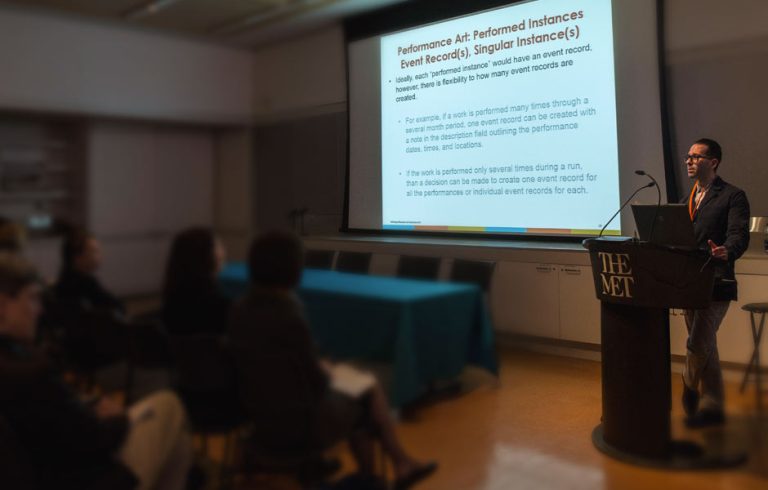
Opened in 1963, the Munch Museum in Oslo, Norway, is dedicated to the life and work of expressionist pioneer Edvard Munch. The museum maintains the most comprehensive collection of works by Munch, including approximately 1,100 paintings, 7,000 drawings, and 18,000 prints. The collection also includes sculptures, photographs, and 30,000 pages of letters, drafts, exhibition lists, and manuscripts.

Chapman University Art Collections Case Study
Chapman University Art Collections is a unique group of collections that functions through the lens of education and consists of the Phyllis & Ross Escalette Permanent Collection of Art, the Chapman Campus Collection, and the Hilbert Museum of California Art. Objects from the collections are displayed beyond the gallery, throughout the Chapman campus: it is a museum without walls. The collection supports over 1,000 objects of contemporary and modern American art, as well as many works by local artists.
Stark Museum of Art Case Study
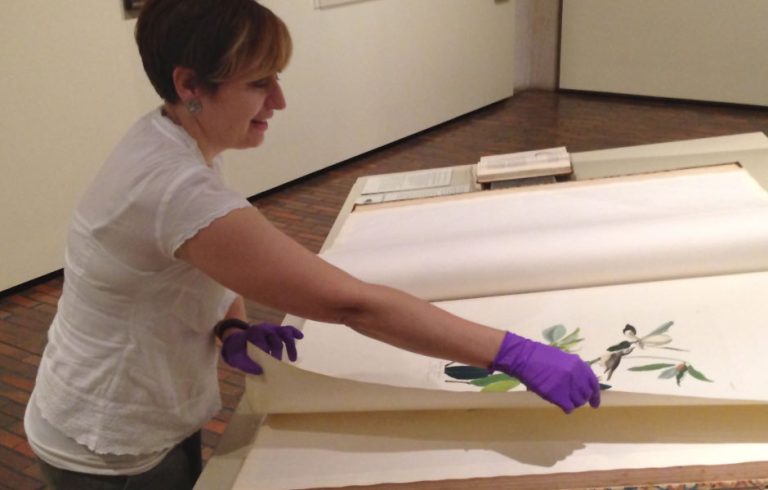
The Stark Museum accomplished their latest project: digitizing and documenting John James Audubon’s personal copy of The Birds of America. The project goal was to document and preserve the Audubon volumes while increasing accessibility for museum staff, researchers, and the public.

California Department of Parks and Recreation Case Study
The California Department of Parks and Recreation, otherwise known as California State Parks, has a mandate to preserve, protect, and interpret its museum collections which includes museum objects, natural history specimens, paleontological specimens, archaeological artifacts, and archive materials. The museum collections consist of millions of objects which are housed and stored throughout many of its 280 parks including the storage facilities of the Statewide Museum Collections Center (SMCC) located in the Sacramento area.



Southwark Culture & Heritage Services Case Study
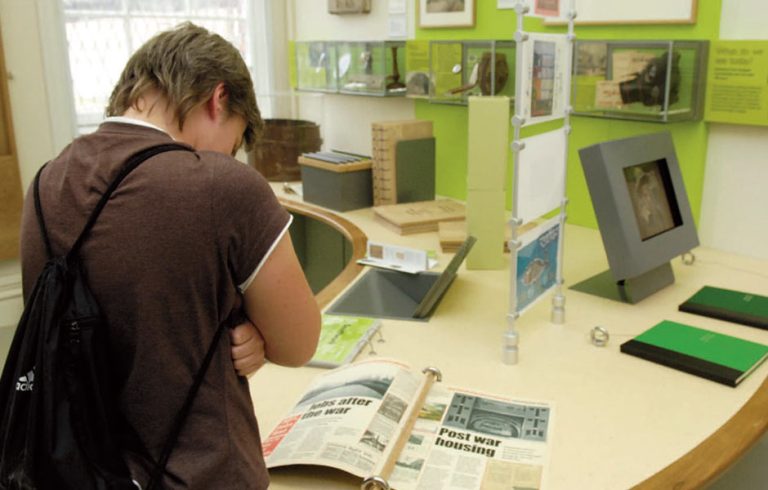
With increased government requirements to provide broader access to collection information, cultural institutions in the United Kingdom are rethinking their strategy on community outreach. One way in which institutions are meeting these requirements is by publishing collection information on their website.