


How the Stark Museum of Art Improved Rare Book Preservation with TMS
Who They Are
Preserving, Cataloguing, and Sharing Rare Books with Collections Management Software
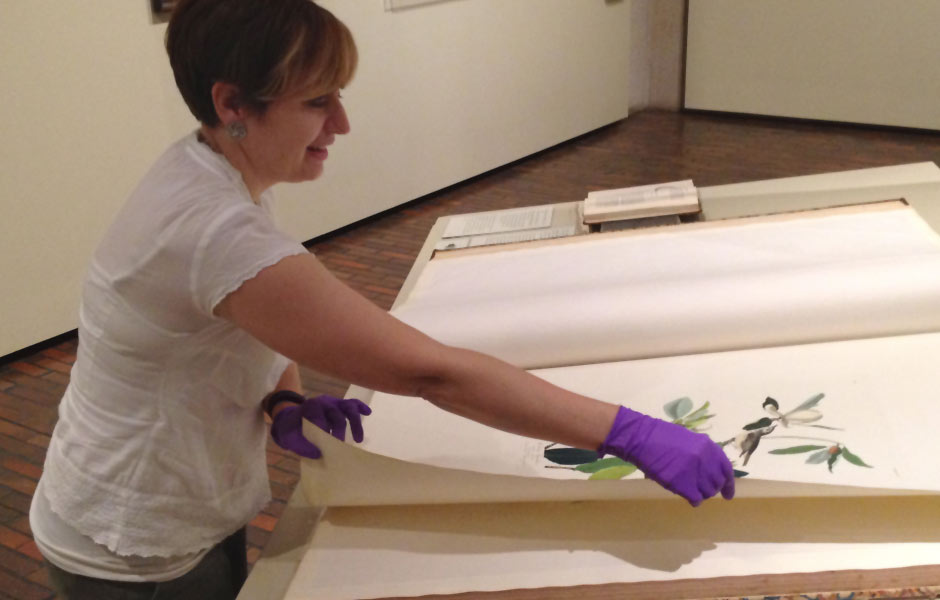
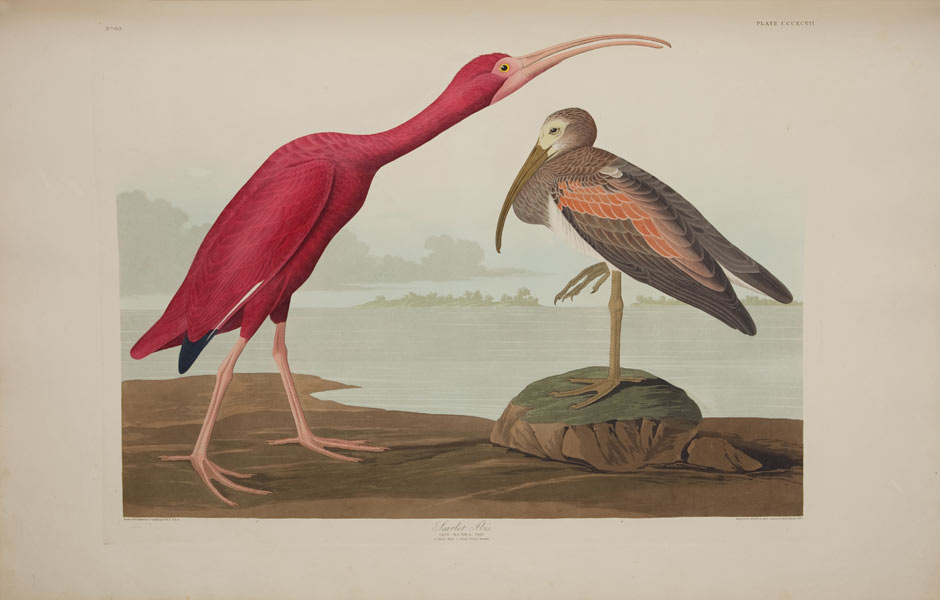
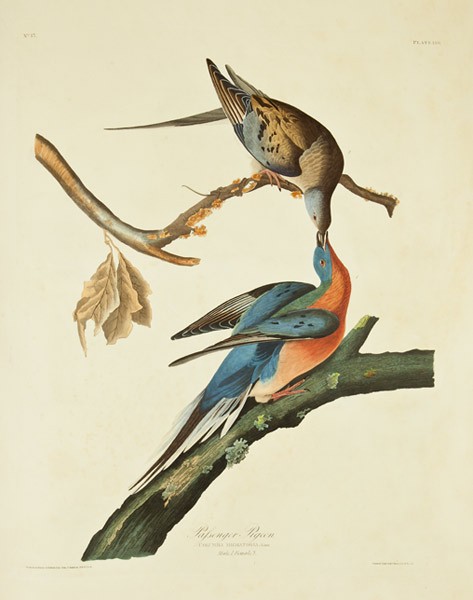
Audubon’s The Birds of America consists of 448 hand-colored, life-size prints of hundreds of bird species made from engraved copper plates. The Stark Museum’s volumes are unique, not only because they were Audubon’s personal copy, but also because the plates in this volume are ordered systematically rather than in order of issue. These double-elephant folios measure a huge 38 by 25 inches, and require two to three people to turn a page or transport. Paging through the folios is a challenging task, and the possibility of damage through overuse is very real.
The Stark’s Audubon volumes had never been fully catalogued, and Allison needed a way to provide better access while maintaining proper preservation and tracking. She explains, “Museum staff wanted to know when a particular book had been exhibited, for how long, and which page had been on display.” Allison needed a way to document all information associated with each volume, including an accurate listing of plates, engravers, inscriptions, plate numbers, order number, and orientation.
Solution
The museum hired a photographer to create high resolution images of the volumes while documenting the details of each print within TMS. Allison had previously used TMS’s Inseparable Object records to document a book of fore-edge paintings and knew it would be the perfect tool to track the Audubon project. “With so much information to document, I decided using Inseparable Object records would give users the best access to information in these volumes,” said Allison.
An Inseparable Object record is a special type of object association in TMS for use when an object, such as a print, is inseparable from its parent, the folio. When the folio object record is moved, the same move transaction is automatically applied to each of the prints that make up the folio, insuring an accurate and complete record of location and movement history for the work.
Outcome
For Allison, the decision to utilize the Inseparable Object feature of TMS was a deliberate one:
One of my motivations in taking this approach for The Birds of America project was to ensure that when a folio record was moved, the associated prints moved with it automatically, eliminating human error. De-cluttering a single volume record was another motivation. With so much information in a single volume record, using the inseparable object record feature gave us a way to organize the information in a user-friendly manner.
– Allison on her use of TMS for The Birds of America project.
With each print’s digital image and plate details recorded in TMS, Allison and her colleagues have easy access to the information they need.“When curators want to study a specific plate, they use TMS to find its exact location in the volumes, instead of flipping through each physical book,” Allison explains, “then they are able to go directly to that page in the folio, saving unnecessary handling and potential damage to the volumes.”
The thorough documentation of The Birds of America has also made it easier for curators to design exhibitions. If a curator is planning a show around the museum’s collection of heron artwork, they can use TMS to find the location of each heron print in a particular volume. Additionally, they can see how many times each plate has been exhibited, which may influence future display decisions.
With the recent installation of eMuseum, the digital publishing software that integrates with TMS, Stark staff are looking forward to taking their collection online and sharing these volumes of The Birds of America with the public.
For other institutions looking to undertake a similar project, Allison has this advice:
It’s important to work with colleagues to see what type of information they want to document and how they interact with the collection information. This will help ensure that the data is relevant and usable. It’s also important to create and refine your policies and standards for entering information into your Collections Management System to give interns or new employees comprehensive rules they can follow to maintain your institution’s database standards.
The Results
-
Catalogued all 448 individual Audubon prints within TMS
-
Reduced handling of fragile folios through digital access to individual plates
-
Created a foundation for future public access through eMuseum

One Platform for Collections Management,
Conservation, Media, and Publishing
TMS Collections

TMS Media Studio

TMS Conservation Studio

eMuseum
More Success Stories

Why Galleries Can No Longer Wait to Modernize Their Gallery Management Software
The Art World’s Technology Reckoning Only 19% of galleries call themselves technology leaders, yet 43% plan to invest more in online sales this year, according to Artsy’s Art Market…

Collective Conversations with Chad Petrovay
Professional Services Specialist, Gallery Systems With a museum career spanning multiple institutions and over a decade partnering with Gallery Systems clients, Chad brings a rare combination of…

Why Galleries Can No Longer Wait to Modernize Their Gallery Management Software
The Art World’s Technology Reckoning Only 19% of galleries call themselves technology leaders, yet 43% plan to invest more in online sales this year, according to Artsy’s Art Market…
Collective Conversations with Chad Petrovay
Professional Services Specialist, Gallery Systems With a museum career spanning multiple institutions and over a decade partnering with Gallery Systems clients, Chad brings a rare combination of…
Why Galleries Can No Longer Wait to Modernize Their Gallery Management Software
The Art World’s Technology Reckoning Only 19% of galleries call themselves technology leaders, yet 43% plan to invest more in online sales this year, according to Artsy’s Art Market…
Collective Conversations with Chad Petrovay
Professional Services Specialist, Gallery Systems With a museum career spanning multiple institutions and over a decade partnering with Gallery Systems clients, Chad brings a rare combination of…
Why Galleries Can No Longer Wait to Modernize Their Gallery Management Software
The Art World’s Technology Reckoning Only 19% of galleries call themselves technology leaders, yet 43% plan to invest more in online sales this year, according to Artsy’s Art Market…
Collective Conversations with Chad Petrovay
Professional Services Specialist, Gallery Systems With a museum career spanning multiple institutions and over a decade partnering with Gallery Systems clients, Chad brings a rare combination of…
Why Galleries Can No Longer Wait to Modernize Their Gallery Management Software
The Art World’s Technology Reckoning Only 19% of galleries call themselves technology leaders, yet 43% plan to invest more in online sales this year, according to Artsy’s Art Market…
Collective Conversations with Chad Petrovay
Professional Services Specialist, Gallery Systems With a museum career spanning multiple institutions and over a decade partnering with Gallery Systems clients, Chad brings a rare combination of…