TMS Collections
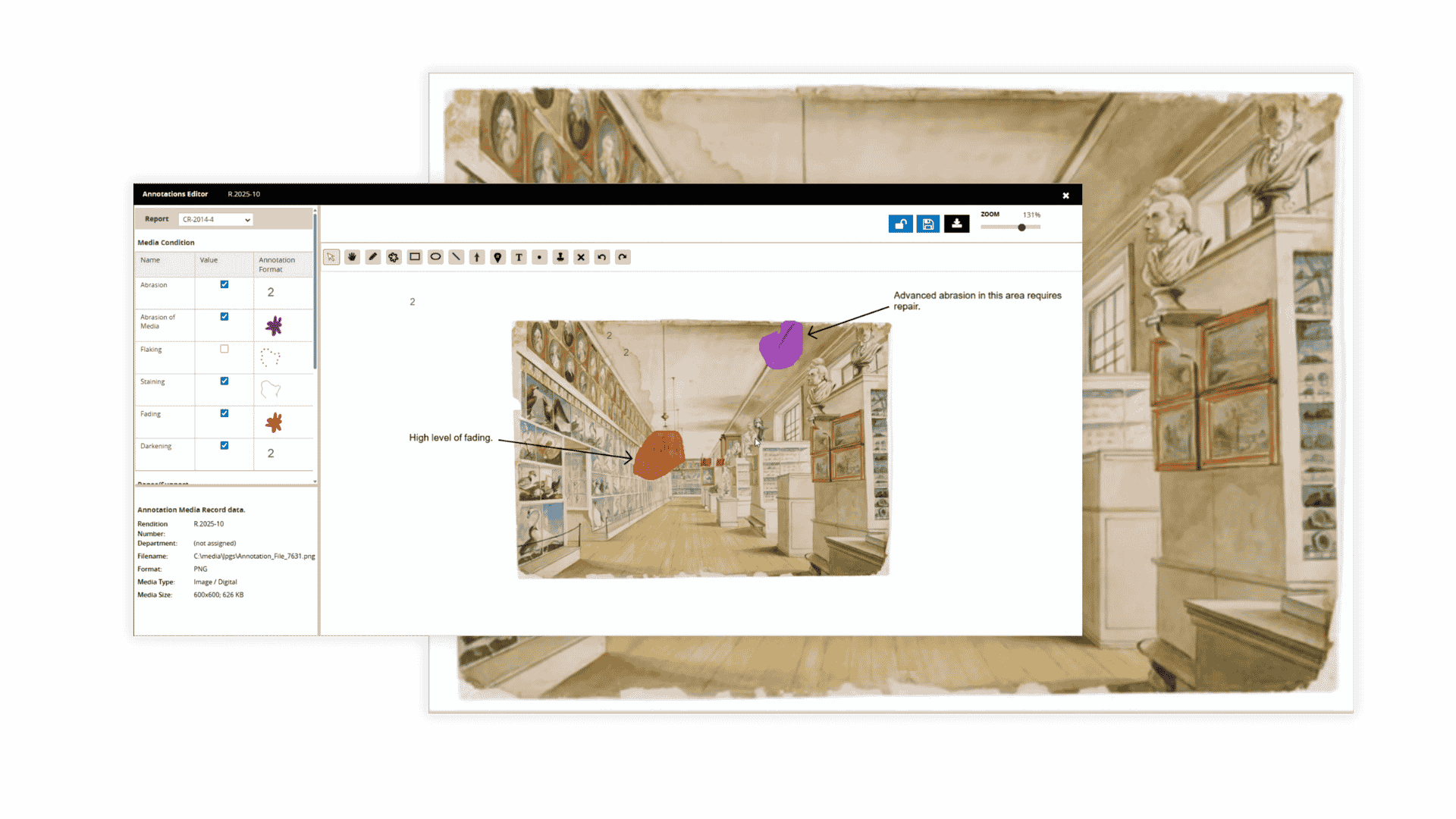
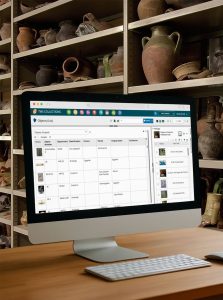
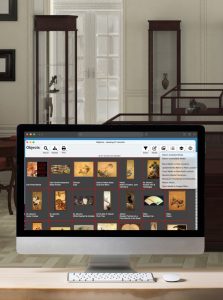
Core collections management software to document objects, track provenance and exhibition history, and support curatorial research, acquisitions, and planning.
















The Art World’s Technology Reckoning Only 19% of galleries call themselves technology leaders, yet 43% plan to invest more in online sales this year, according to Artsy’s Art Market…

Professional Services Specialist, Gallery Systems With a museum career spanning multiple institutions and over a decade partnering with Gallery Systems clients, Chad brings a rare combination of…

The National Art Museum of Mexico City is dedicated to ensuring that visitors can experience its collections both in person and through digital platforms. Spanning the 16th through 20th…

At the center of this operation is Thomas Megaw, Lead Curator (Collections Management), who oversees documentation workflows and collection access across the city’s public-facing and purpose-built…
Professional Services Specialist, Gallery Systems With a museum career spanning multiple institutions and over a decade partnering with Gallery Systems clients, Chad brings a rare combination of…

The Hidden Cost of Disconnected Collection Management Software Many institutions manage their collections, exhibitions, conservation records, rights and reproductions, and digital assets across a…

Collections management software for curators helps museums research objects, review provenance and exhibition history, support acquisitions, and contribute interpretive knowledge within a centralized system.
Curators rely on accurate, searchable collections data to support exhibitions, scholarship, publications, acquisitions, and institutional decision-making. Collections management software makes that information easier to access and use.
Curators can access object records, provenance, exhibition history, acquisition details, conservation documentation, loan activity, cataloguing information, and interpretive notes.
Yes. Curators can use collections management software to identify candidate works, review availability, coordinate with registrars and collections staff, and support interpretive planning for exhibitions.
Yes. Many systems allow curators to add scholarly research, interpretive notes, and cataloguing updates directly to collections records, helping preserve institutional knowledge over time.
Yes. Shared collections data helps curators work more effectively with registrars, collections managers, conservators, exhibitions teams, and external collaborators.
Implementation timelines vary depending on collection size, existing data quality, and institutional requirements. Many museums begin using the system within several months. For a tailored timeline, please contact the team.