Solve common challenges in archives management

Designed For How Archives Teams Actually Work

  • Manage Hierarchical Archival Structures in One System
    Archives collections require structured relationships between fonds, series, and items. Maintain clear hierarchies and context across records within a single, centralised platform.
  • Standardise Metadata and Improve Data Consistency
    Inconsistent cataloguing limits discoverability and usability. Use controlled vocabularies and structured fields to ensure consistent metadata across collections.
  • Support Researcher Access and Internal Workflows
    Archives serve both internal teams and external researchers. Provide controlled access to records while maintaining oversight and data integrity.
  • Track Locations, Movements, and Usage
    Archival materials move between storage, reading rooms, and exhibitions. Track locations and movements with complete histories to maintain accountability.
  • Connect Digitised Materials to Archival Records
    Digitisation is central to modern archives. Link digital assets directly to archival records to support access, preservation, and research.
Trusted by leading institutions worldwide

Software Shaped by Real Archival Challenges

For more than 40 years, Gallery Systems has worked with archives, libraries, museums, and cultural institutions to support the management of complex collections. Our collection management software helps institutions organize hierarchical data, improve access to records, and support long-term preservation and stewardship.
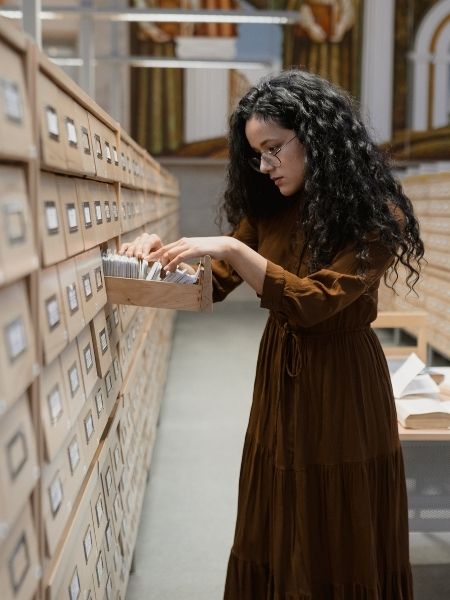
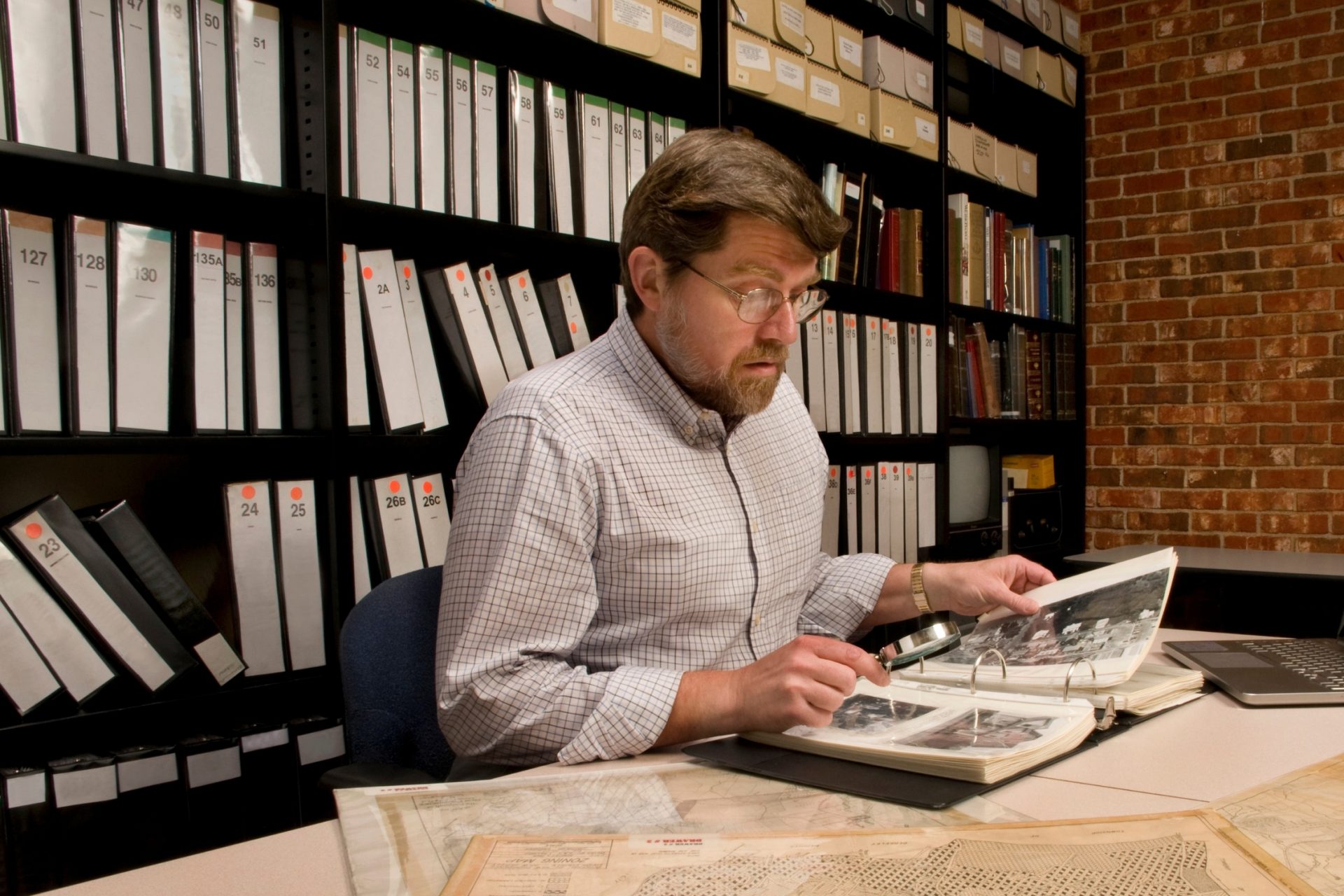
archivist reviewing documents in museum archives.
Built for structured data and archival workflows

Manage Archival Records, Digital Assets, And Workflows in One Place

TMS Collections is web-based collection management software for archives collections, designed to support structured data and complex archival workflows. Combined with TMS Media Studio, it connects archival records, digital assets, and access workflows within a single, scalable platform.

  • Object & Data Management: Catalogue archival materials with flexible fields, supporting consistent and structured records.
  • Loans, Access & Movement Tracking: Track loans, researcher access, and material movements with complete histories.
  • Integrated Digital Asset Management: Manage digitised materials, images, and documents in TMS Media Studio, fully integrated with archival records.
  • Configurable Workflows & Reporting: Customise workflows, dashboards, and reports to support archival processes and access requests.
  • Search, Access & Collaboration Tools: Enable efficient discovery with advanced search and controlled access for staff and researchers.
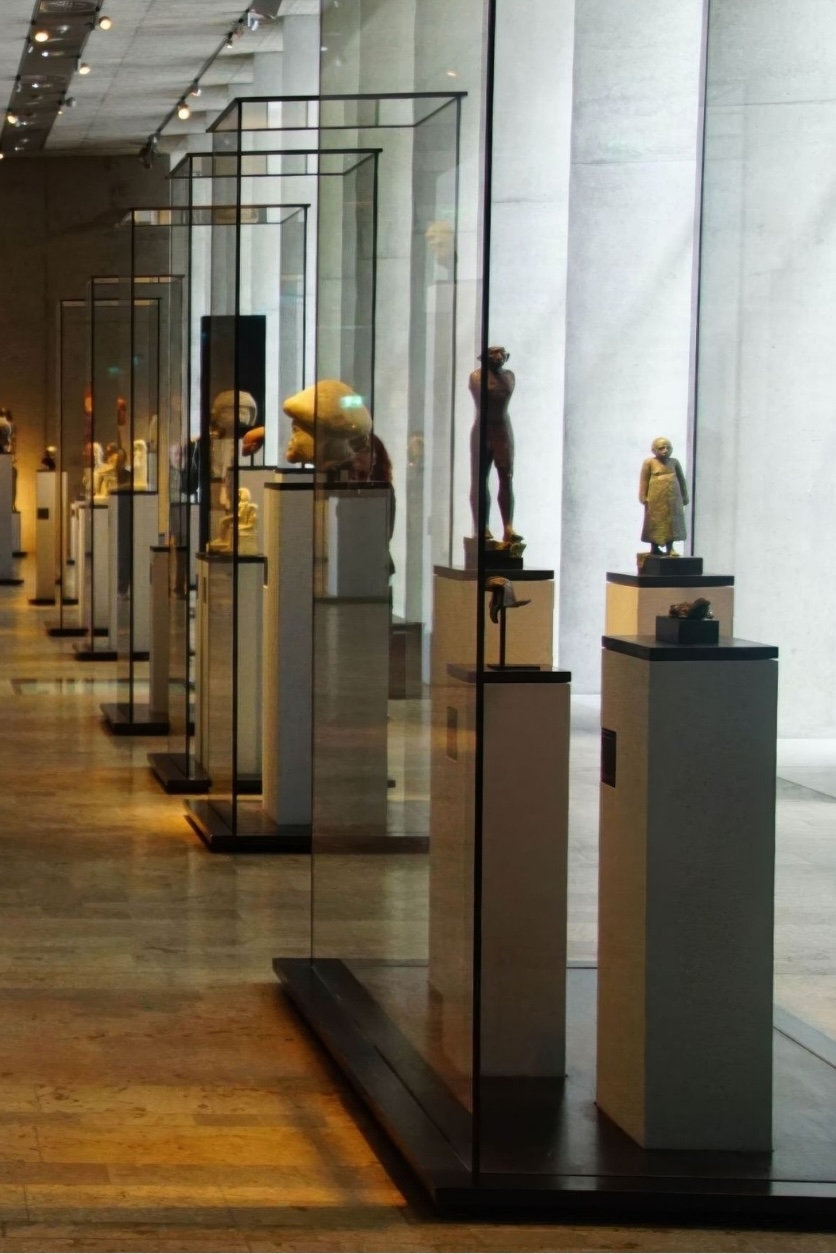
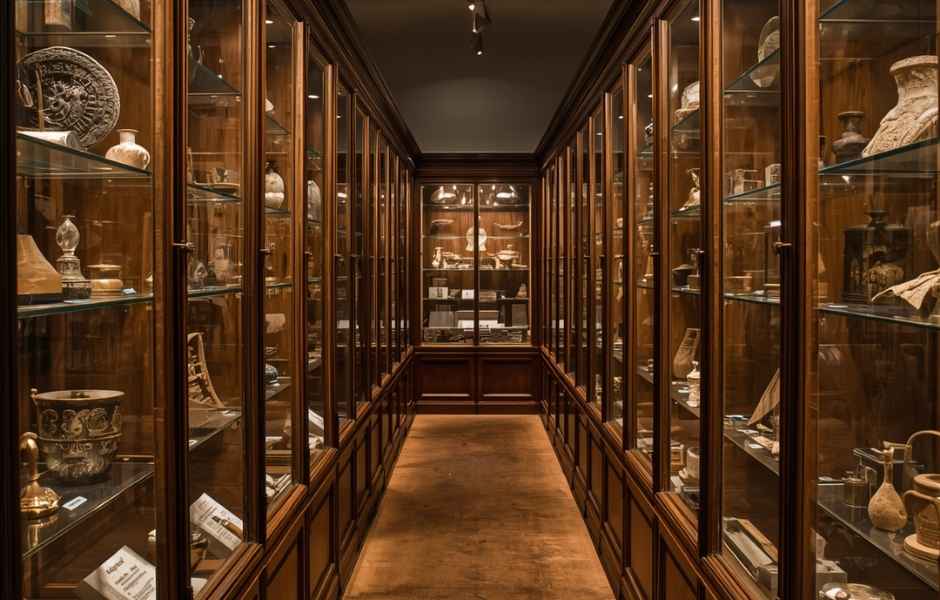
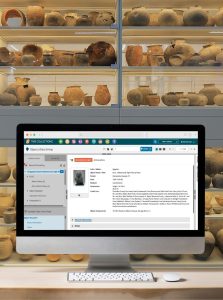
Floor-to-ceiling glass display cabinets housing a diverse range of archival objects, illustrating the breadth of collections centralised within a single management system
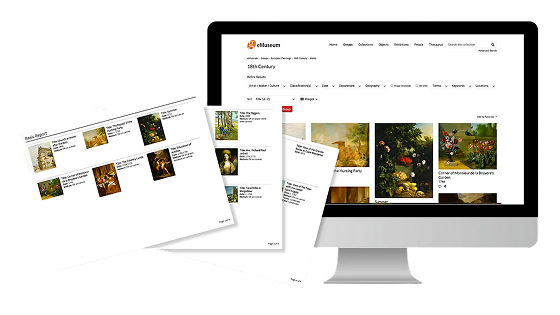
TMS Collections object record screen displaying detailed metadata for an Egyptian antiquity, including provenance, acquisition credit lines, and location history
An ecosystem built for you

Connected Tools Supporting Archives Collections Management

The TMS Suite provides integrated software for archives collections, connecting records, digital assets, and workflows to support access, preservation, and long-term stewardship.
TMS Collections for collections management on a computer

TMS Collections

Comprehensive collection management software for archives collections: manage structured records, track movements, and maintain accurate documentation across holdings.

TMS Media Studio on a computer in a museum

TMS Media Studio

A digital asset management system for collections, managing digitised materials and documents while linking them directly to archival records.
museum registrars working on research and digitizing

TMS Suite

With TMS Collections at its core, the TMS Suite connects collection management for archives collections with digital assets and tools to support the full lifecycle of archival stewardship.
Supporting Smarter Collection Management

Articles, Insights & Case Studies

Why Galleries Can No Longer Wait to Modernize Their Gallery Management Software

The Art World’s Technology Reckoning Only 19% of galleries call themselves technology leaders, yet 43% plan to invest more in online sales this year, according to Artsy’s Art Market…

Collective Conversations with Chad Petrovay

Professional Services Specialist, Gallery Systems With a museum career spanning multiple institutions and over a decade partnering with Gallery Systems clients, Chad brings a rare combination of…

One Record for Every Team: Why Integration is the Future of Collections Management

The Hidden Cost of Disconnected Collection Management Software Many institutions manage their collections, exhibitions, conservation records, rights and reproductions, and digital assets across a…

Questions About Managing Archives?

Find answers to common questions about archive management software and how it works.

What is collection management software for archives collections?

Collection management software helps institutions catalogue materials, manage hierarchical records, track locations, connect digital assets, and support access workflows.

Why do archives need collection management software?

Archives manage structured, hierarchical data and must balance preservation with access. Collection management software helps standardise records, improve discoverability, and maintain control over materials.

What challenges does collection management software for archives collections solve?

It improves metadata consistency, supports hierarchical data structures, tracks movements and access, connects digitised materials, and streamlines archival workflows.

Can collection management software for archives collections support digitisation?

Yes. It allows institutions to link digitised materials directly to archival records, improving access and supporting preservation strategies.

Does collection management software for archives collections support researcher access?

Yes. It enables controlled access to records, helping institutions support researchers while maintaining data integrity and oversight.

How long does implementation take?

Timelines vary depending on your data and requirements. Many museums begin using the system within several months. For a tailored timeline, please contact the team.