Designed for how collections teams actually work

Overcome Common Challenges in Collections Management

  • Eliminate Fragmented and Inconsistent Records
    Disconnected systems and spreadsheets lead to duplication and errors. Centralize all object records, provenance, and documentation in one authoritative system.
  • Simplify Complex Loans and Exhibition Workflows
    Managing loans, shipping, and exhibitions across multiple teams can create bottlenecks. Streamline processes with integrated workflows and shared access to up-to-date information.
  • Maintain Accurate Object Locations and Movements
    Tracking artwork across storage, galleries, and loans is challenging. Use hierarchical location tracking and movement history to maintain visibility at all times.
  • Reduce Manual Work and Administrative Overhead
    Manual data entry, reporting, and paperwork slow teams down. Automate processes and generate standardized reports to improve efficiency.
  • Ensure Data Security and Controlled Access
    Sensitive collections data must be protected. Apply role-based permissions to control access while enabling collaboration across departments.
Trusted by leading fine art museums worldwide

Fine Art Collections Software Shaped by Real Museum Challenges

For more than 40 years, Gallery Systems has worked with museums to address the real challenges of managing fine art collections—from complex provenance to cross-departmental workflows. Used by institutions that require accuracy, accountability, and long-term stewardship of their collections.
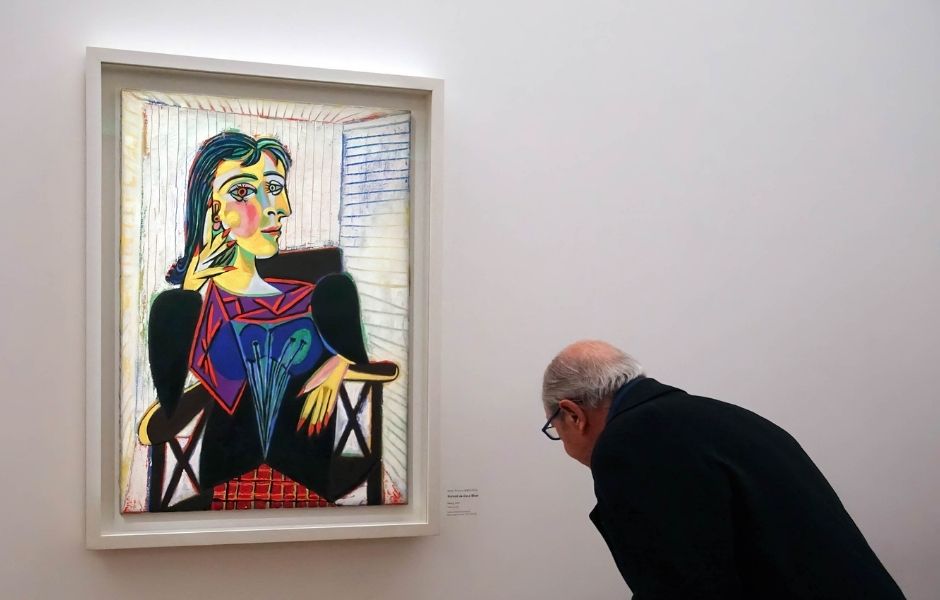
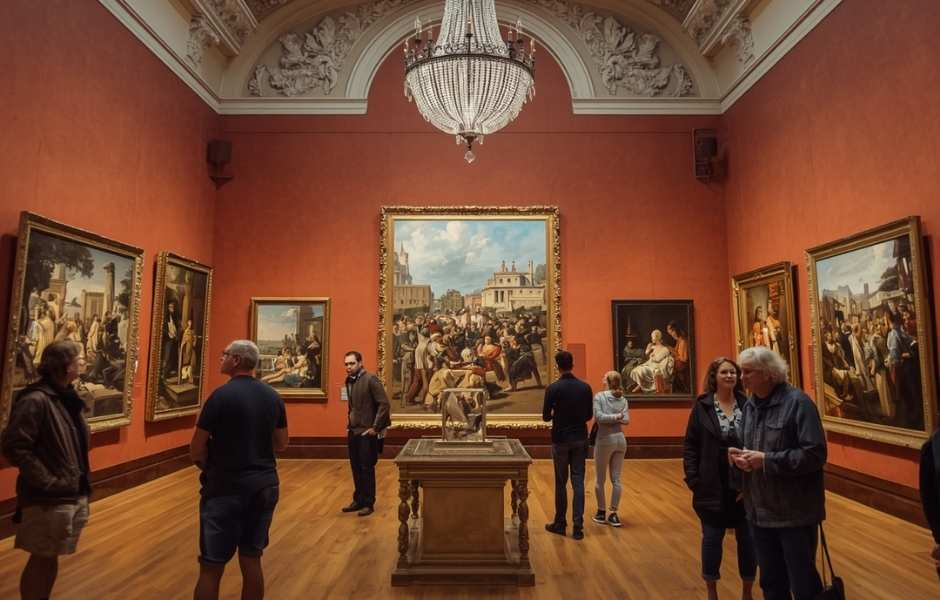
Visitor closely examining a fine art painting in a gallery, representing the fine art collections institutions manage with Gallery Systems.
Centralized Fine Art Collections Management

Optimize Workflows for Fine Art Collections with TMS Collections

TMS Collections is a web-based system designed to manage the complexity of fine art collections. It connects object records, loans, exhibitions, and digital assets within a single, scalable platform.

  • Object & Data Management: Customize cataloguing fields to maintain consistent, detailed records aligned with museum standards.
  • Loans & Exhibitions Workflows: Link object records to loans and exhibitions, ensuring teams stay informed and processes remain connected.
  • Location & Movement Tracking: Monitor object locations with hierarchical tracking and complete movement histories.
  • Integrated Digital Asset Management: Manage images and media with rich metadata and direct links to object records.
  • Reporting & Documentation: Generate exportable reports and documents using standard or custom templates.
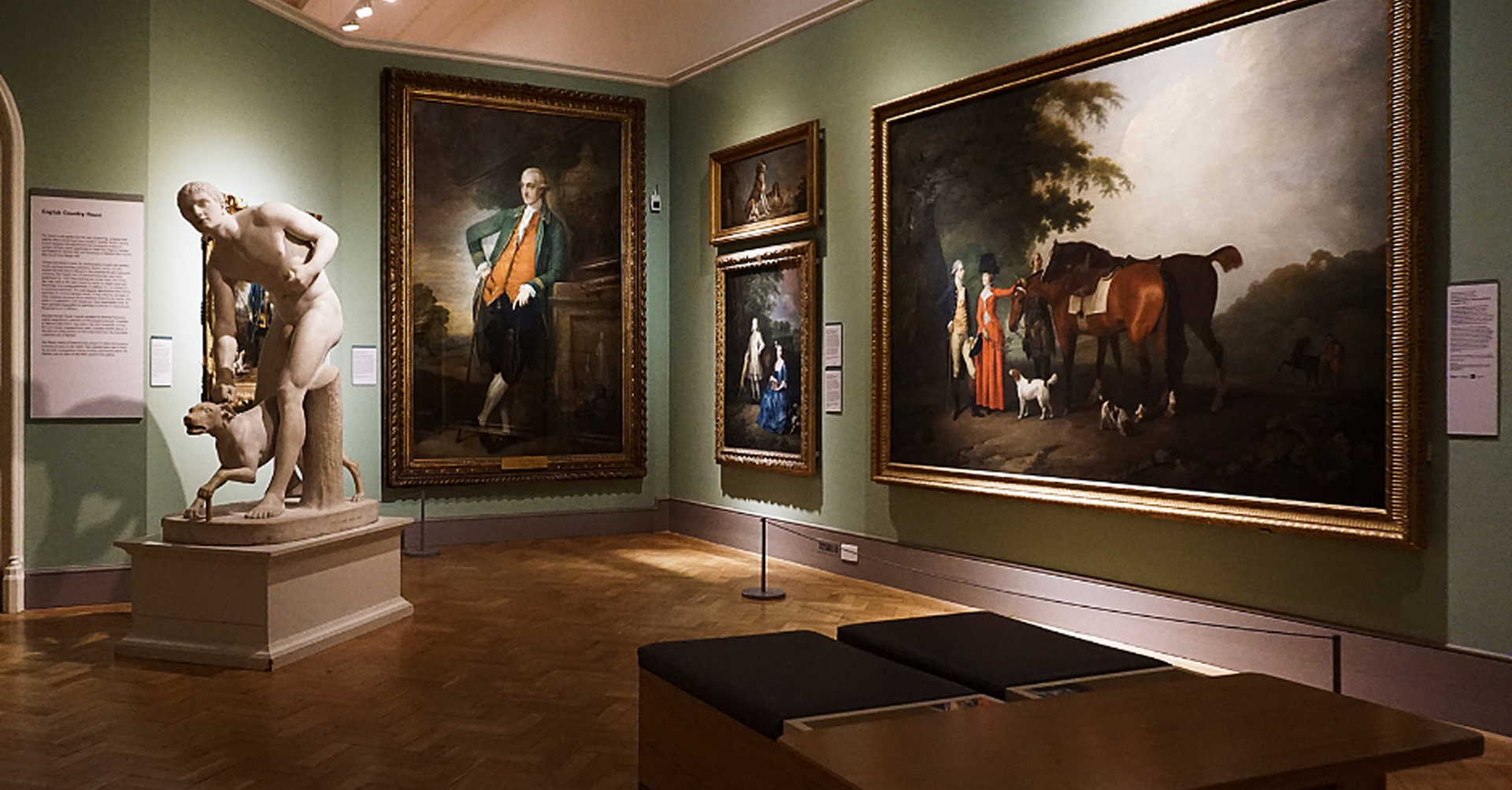
Visitors exploring a fine art gallery room with large framed paintings, representing the collections workflows institutions manage and coordinate with TMS Collections.
TMS Media Studio Light Box displaying a grid of digital image assets with file metadata for collections media management.
Fine art collections ecosystem 

Connected Tools Supporting Fine Art Collections Management

The TMS Suite provides integrated tools for managing collections data, digital assets, conservation documentation, and online collections access. 
Together, these tools support efficient workflows and long-term stewardship.
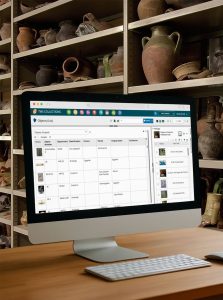
TMS Collections on a computer in a museum

TMS Collections

 comprehensive collections management system for cataloguing fine art, managing loans and exhibitions, and maintaining accurate records.

A visitor holding a tablet while viewing framed works in a red-walled gallery, representing public-facing access to collection media governed by rights and usage permissions

TMS Suite

Built around TMS Collections, the TMS Suite connects collections management with digital assets, conservation, and public-facing tools.
Visitors exploring a fine art gallery room lined with framed paintings, representing the collections institutions manage with Gallery Systems.
Supporting Smarter Collection Management

Articles, Insights & Case Studies

Why Galleries Can No Longer Wait to Modernize Their Gallery Management Software

The Art World’s Technology Reckoning Only 19% of galleries call themselves technology leaders, yet 43% plan to invest more in online sales this year, according to Artsy’s Art Market…

Collective Conversations with Chad Petrovay

Professional Services Specialist, Gallery Systems With a museum career spanning multiple institutions and over a decade partnering with Gallery Systems clients, Chad brings a rare combination of…

One Record for Every Team: Why Integration is the Future of Collections Management

The Hidden Cost of Disconnected Collection Management Software Many institutions manage their collections, exhibitions, conservation records, rights and reproductions, and digital assets across a…

Questions About Collection Management Software?

Find answers to common questions about collection management software for fine art museums and how it works.

What is collections management software for fine art collections?

Collections management software helps museums and institutions catalog artworks, track locations, manage loans and exhibitions, and maintain accurate documentation.

Why is collections management software important for fine art?

Fine art collections involve complex data, provenance, and movement tracking. Software ensures accuracy, improves efficiency, and supports collaboration across teams.

What challenges does fine art collections software solve?

It reduces data inconsistencies, streamlines workflows, improves visibility of object locations, automates reporting, and supports secure data management.

Can fine art collections software manage loans and exhibitions?

Yes. Systems like TMS Collections integrate loans and exhibitions workflows, linking them directly to object records and documentation.

Does the system support digital assets and images?

Yes. Integrated digital asset management, TMS Media Studio, allows institutions to manage images and media with metadata linked to collection objects.

How long does implementation take?

Timelines vary depending on your data and requirements. Many museums begin using the system within several months. For a tailored timeline, please contact the team.