


How Museum für Gestaltung Zürich Improved Visitor Engagement with eMuseum
Who They Are
Bridging Digital Innovation and Physical Exhibitions to Celebrate 150 Years
This case study examines how Museum für Gestaltung Zürich has successfully integrated its longstanding digital platform, powered by Gallery Systems’ eMuseum, into the physical exhibition experience. The museum’s approach offers valuable insights for other cultural institutions seeking to connect onsite and online audiences in meaningful ways.
Collections and Archival Depth
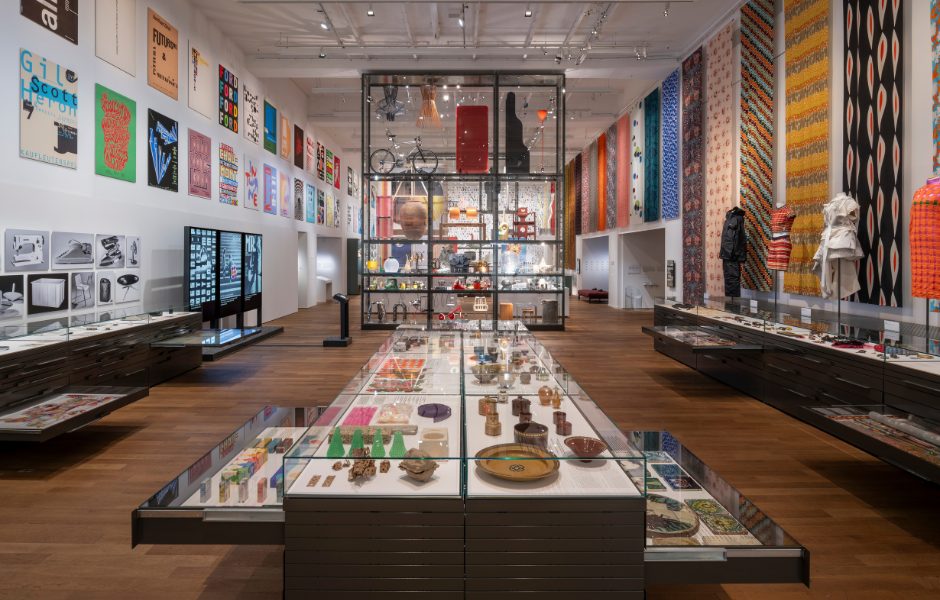
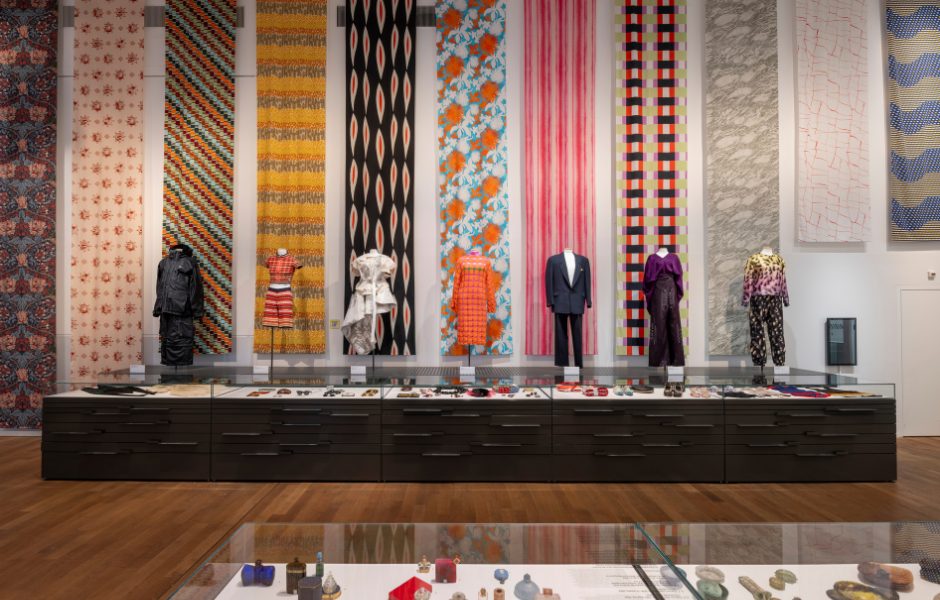
Museum für Gestaltung Zürich holds an extraordinary range of material across four main collections: Graphics, Arts and Crafts, Posters, and Design. Among these, the Poster Collection stands out as the largest and most significant, while the Design Collection is the most recent addition, established in the 1980s. The Swiss Design Collection, presented within the museum’s permanent exhibition, features approximately 2,500 objects spanning graphics, typography, poster design, textiles, product design, and arts and crafts. The Graphics and Arts and Crafts collections date back to the museum’s founding in 1875, forming the historical core of its holdings. Collectively, the museum’s holdings comprise more than half a million objects, reflecting the rich history of both Swiss and international design.
A New Permanent Exhibition for a Historic Milestone
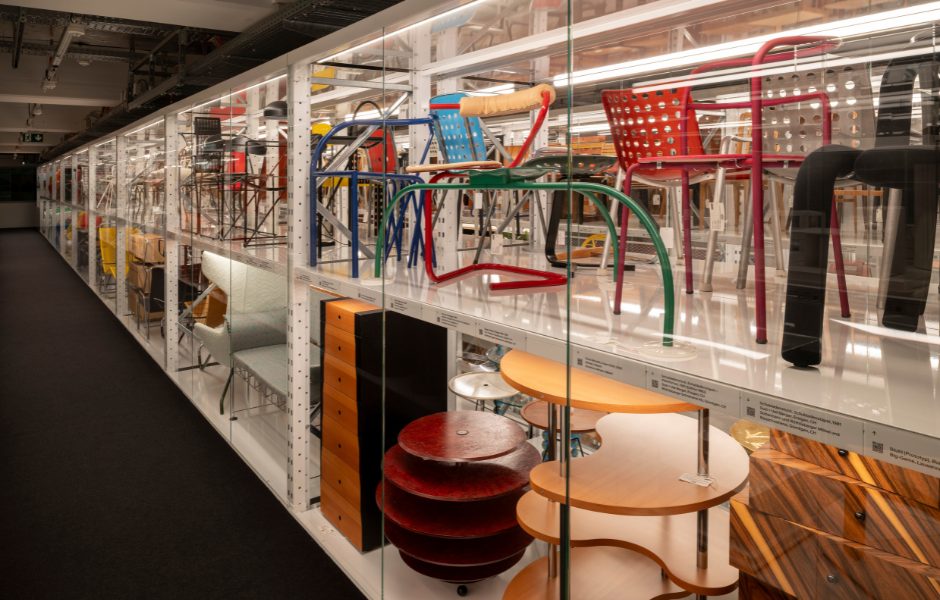
To mark its 150th anniversary, the museum reimagined its permanent exhibition, relocating it from its previous site to the exhibition halls at the Toni Areal, home to the museum’s collection archives and a space that honors its educational heritage. This new space features a curated selection of between 2,000 and 3,000 objects, offering visitors a cross-section of the museum’s diverse holdings in graphics, posters, textiles, typography, arts and crafts, and product design.
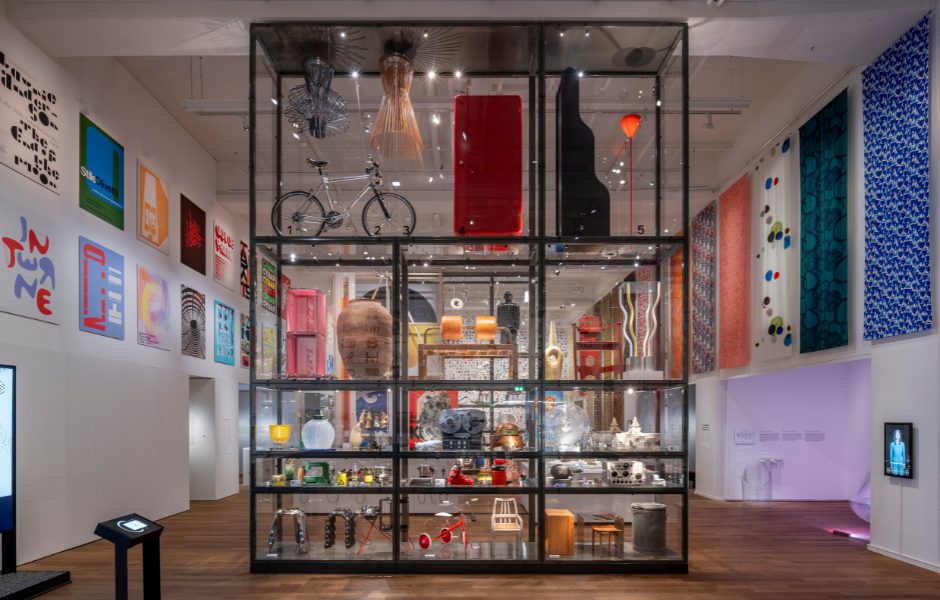
Interactivity and accessibility were placed at the heart of the exhibition redesign. The museum introduced interactive stations that invite visitors to engage directly with the material. One of the key stations features the museum’s eMuseum, bringing the digital collection into the physical exhibition space. The physical environment was designed to be striking and immersive, with monumental display cases towering six meters high and a distinctive wall installation that echoes the look and feel of the museum’s digital interface. Art education sessions are regularly conducted within the exhibition space, reinforcing the museum’s dual commitment to preservation and learning.
eMuseum: Digital Engagement Meets Physical Space
For over two decades, Museum für Gestaltung Zürich has upheld its commitment to digital accessibility through its online collection. Their eMuseum site is the largest digital database for design and graphics in Switzerland, offering public access to the museum’s collections online.
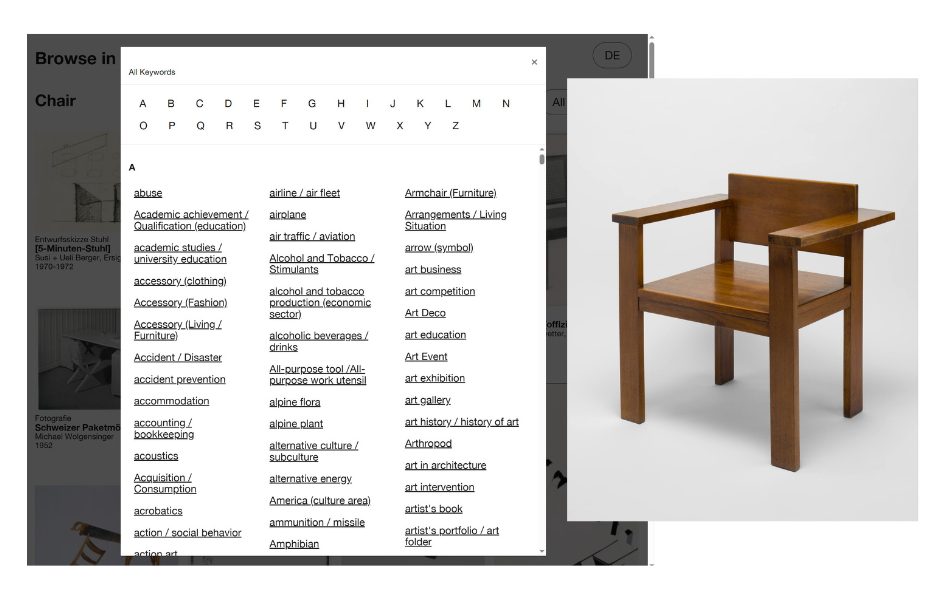
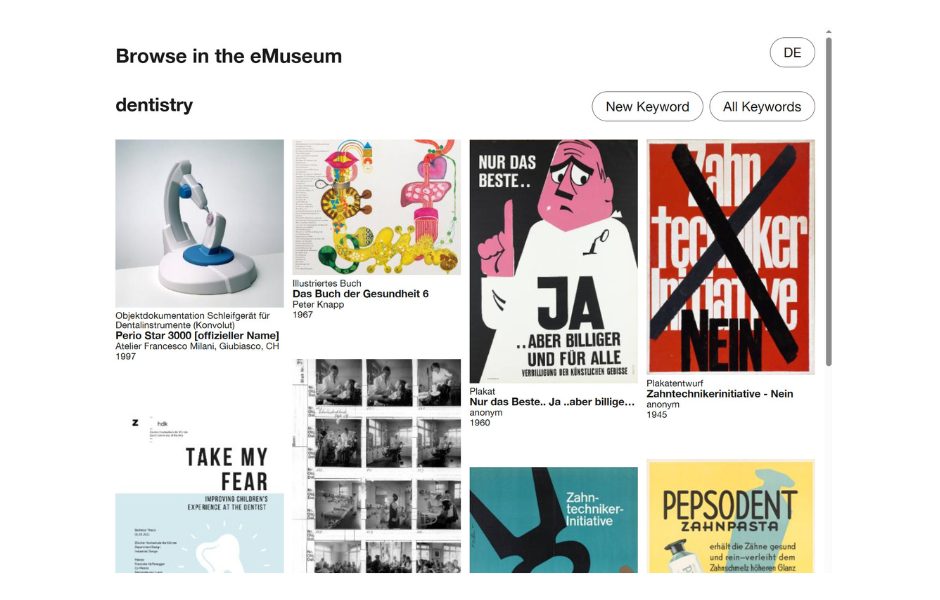
For the anniversary exhibition, the museum introduced an interactive eMuseum station that brings this digital resource into the heart of the visitor experience. The station consists of a touchscreen interface and a projection display, allowing visitors to browse objects through a keyword-driven navigation system. Keywords, drawn from the museum’s controlled thesaurus, are linked to curated sets of images, with each term offering at least eight associated objects. The station allows users to either explore randomly generated keywords or choose from a full list, ensuring that each visit feels unique and engaging. If left idle, the system automatically cycles through images to maintain visual interest.
This design decision reflects the museum’s desire to maintain control over vocabulary and object presentation, while providing an intuitive and enjoyable experience for visitors. By implementing touchscreen navigation instead of a keyboard, the museum ensures visitors interact with a carefully curated thesaurus, reinforcing consistency across the digital interface. Importantly, the randomization of object selection prevents repetitive displays and encourages exploration beyond the most obvious or popular items. From a staff perspective, adding new objects to the rotation is remarkably simple. The team can include items in the selection by checking a single box within TMS Collections, streamlining the update process and reducing administrative effort.
Expanding Public Access and Curated Visibility
One of the most significant changes accompanying the anniversary exhibition has been the decision to make the museum’s archive publicly accessible. Previously used solely for storage, the archive has now been transformed into a carefully curated space where visitors can view objects that were once hidden from public view. A new glass-walled ‘Skywalk’ offers a panoramic perspective of the archive, allowing visitors to appreciate the sheer scale of the collection. The addition of a mirror within this space even creates opportunities for playful interaction, including what the museum calls the perfect “archive selfie.”
Deepening Visitor Engagement through Digital Tools
To further connect physical exhibitions with digital content, the museum has added QR codes next to object captions throughout the exhibition. These codes link directly to the eMuseum site, allowing visitors to access in-depth information about each object on their own devices. A digital eGuide, accessible via the same QR codes, provides additional interpretive content, enhancing both self-guided visits and educational programming.
The museum also maintains its longstanding practice of publishing three thematic digital exhibitions per year, which are now seamlessly integrated with the physical displays. This ensures that visitors, whether online or onsite, have regular opportunities to engage with fresh narratives and highlighted objects.
A Vision for Blended Experiences
Museum für Gestaltung Zürich is clear in its vision that digital tools should complement, not replace, the physical museum experience. By offering additional layers of information and accessibility through their online collection, the institution ensures that the richness of in-person visits is preserved while opening new pathways for discovery and engagement.
The interactive browse feature, developed and refined by the museum’s team, was carefully tested to ensure readability, appropriate object selection, and usability. This thoughtful design process reflects the museum’s broader commitment to balancing the presentation of objects as both physical exhibition items and digital assets.
By transforming a static object database into an interactive exhibition feature, Museum für Gestaltung Zürich has created a model for how digital resources can be meaningfully embedded into physical spaces.
Lessons for Other Museums
Museum für Gestaltung Zürich’s approach offers several key lessons for museums and cultural institutions seeking to enhance digital engagement while preserving the integrity of physical collections:
- Digital tools should be designed to enhance and complement physical exhibitions, not replace them.
- Using a controlled vocabulary or thesaurus ensures consistency and improves navigation in digital systems.
- Seamless integration of digital and physical content, such as through QR codes and interactive displays, enriches visitor experiences.
- Making archives publicly visible through curated displays expands educational and cultural value.
- Iterative design, including user testing and refinement, helps ensure that new technologies meet the needs of diverse audiences.
Museum für Gestaltung Zürich’s 150th anniversary exhibition demonstrates the power of thoughtful digital integration in creating accessible, engaging, and educational museum experiences. By blending innovative technologies with a respect for tradition, the museum has set a valuable example for institutions worldwide.
If your institution is ready to embrace the power of online collections and enhance visitor engagement, speak to one of our experts today.

What Powered This Transformation

TMS Collections
eMuseum
More Success Stories

Why Galleries Can No Longer Wait to Modernize Their Gallery Management Software
The Art World’s Technology Reckoning Only 19% of galleries call themselves technology leaders, yet 43% plan to invest more in online sales this year, according to Artsy’s Art Market…

Collective Conversations with Chad Petrovay
Professional Services Specialist, Gallery Systems With a museum career spanning multiple institutions and over a decade partnering with Gallery Systems clients, Chad brings a rare combination of…
Why Galleries Can No Longer Wait to Modernize Their Gallery Management Software
The Art World’s Technology Reckoning Only 19% of galleries call themselves technology leaders, yet 43% plan to invest more in online sales this year, according to Artsy’s Art Market…
Collective Conversations with Chad Petrovay
Professional Services Specialist, Gallery Systems With a museum career spanning multiple institutions and over a decade partnering with Gallery Systems clients, Chad brings a rare combination of…
Why Galleries Can No Longer Wait to Modernize Their Gallery Management Software
The Art World’s Technology Reckoning Only 19% of galleries call themselves technology leaders, yet 43% plan to invest more in online sales this year, according to Artsy’s Art Market…
Collective Conversations with Chad Petrovay
Professional Services Specialist, Gallery Systems With a museum career spanning multiple institutions and over a decade partnering with Gallery Systems clients, Chad brings a rare combination of…
Why Galleries Can No Longer Wait to Modernize Their Gallery Management Software
The Art World’s Technology Reckoning Only 19% of galleries call themselves technology leaders, yet 43% plan to invest more in online sales this year, according to Artsy’s Art Market…
Collective Conversations with Chad Petrovay
Professional Services Specialist, Gallery Systems With a museum career spanning multiple institutions and over a decade partnering with Gallery Systems clients, Chad brings a rare combination of…
Why Galleries Can No Longer Wait to Modernize Their Gallery Management Software
The Art World’s Technology Reckoning Only 19% of galleries call themselves technology leaders, yet 43% plan to invest more in online sales this year, according to Artsy’s Art Market…
Collective Conversations with Chad Petrovay
Professional Services Specialist, Gallery Systems With a museum career spanning multiple institutions and over a decade partnering with Gallery Systems clients, Chad brings a rare combination of…